
Our work was featured as one of 16 nationwide cases in the Hokkaido Bureau of Economy, Trade and Industry’s collection of local government × space company case studies.
METI HokkaidoVision
The stratosphere, the doorway to space, is still largely unused. We use aerobots — balloons carrying sensors and communications equipment — to turn this altitude into a place for observation, communications and experiments. By filling the gap between the ground and space, near-space conditions can be used where and when they are needed. We want to make that option an ordinary one.
Mission
Using tethered and high-altitude balloons as our core, we develop the aerial layer connecting Earth and space into a practical platform. The sky holds untapped potential as a new dimension for communication, observation and transport. Our mission is to make that potential concrete through technology and embed it into society as infrastructure anyone can use.
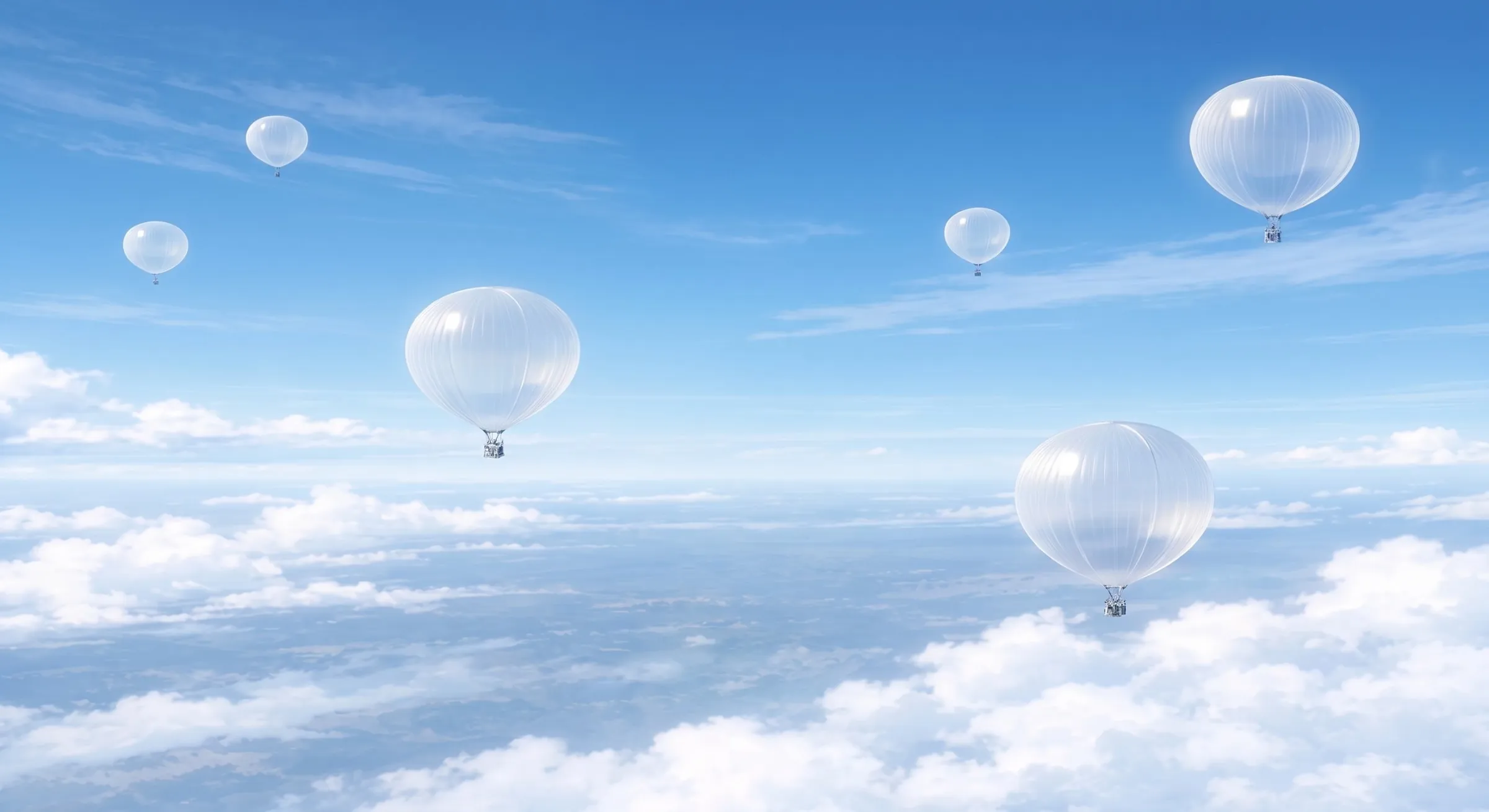 Illustration
Tactical ISR (intelligence, surveillance and reconnaissance) over islands and coastal areas, and damage assessment in major disasters. Communications relay and persistent monitoring. Deploys without a runway. Operates at 15,000–20,000 m.
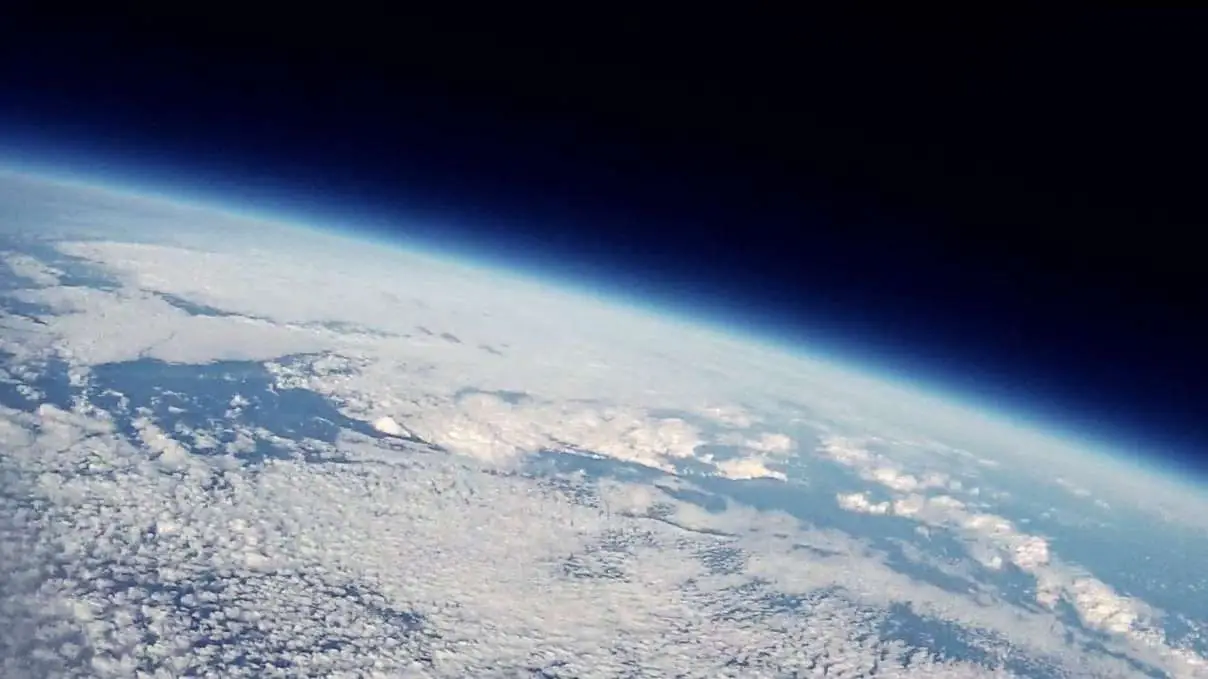
Continuous observation of weather, the atmosphere, climate and the environment from the stratosphere, along with scientific experiments in near-space conditions and wide-area Earth observation data.

Wide-area observation data from the stratosphere for infrastructure inspection, agriculture, mapping and other businesses. We aim to deliver higher-resolution data continuously at a lower cost than satellites.
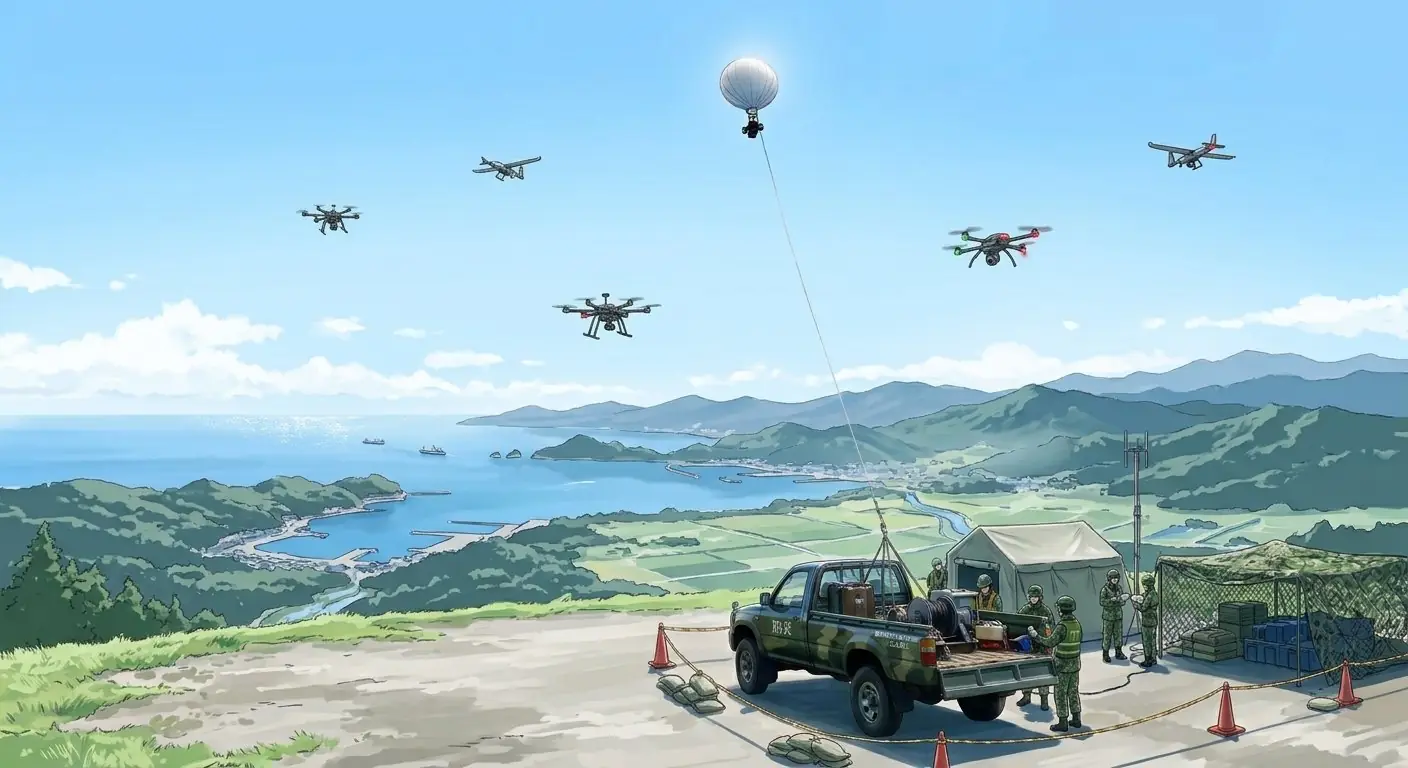 Illustration
The tethered aerostat as a command post in the sky: watching wide areas from above while relaying communications, and working with drones and robots for continuous monitoring of coasts and critical facilities, information gathering at disaster sites, and temporary base stations for events.
We fly samples and cameras to about 30 km on a sounding balloon for experiments and filming in near-space conditions, handling permits, launch, recovery at sea and data delivery.
Our work was featured as one of 16 nationwide cases in the Hokkaido Bureau of Economy, Trade and Industry’s collection of local government × space company case studies.
METI Hokkaido
Our space education program at NIT Maizuru College, where junior high school students launched water rockets, was covered by the Kyoto Shimbun.
Kyoto Shimbun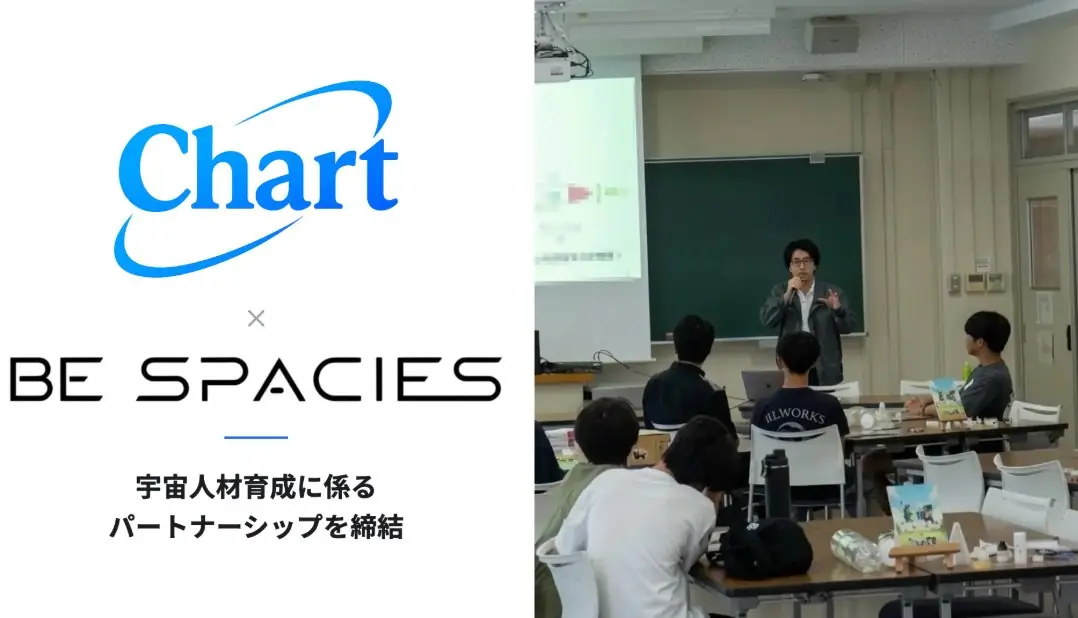
Entered into a space talent development partnership with Chart Inc.
PR TIMES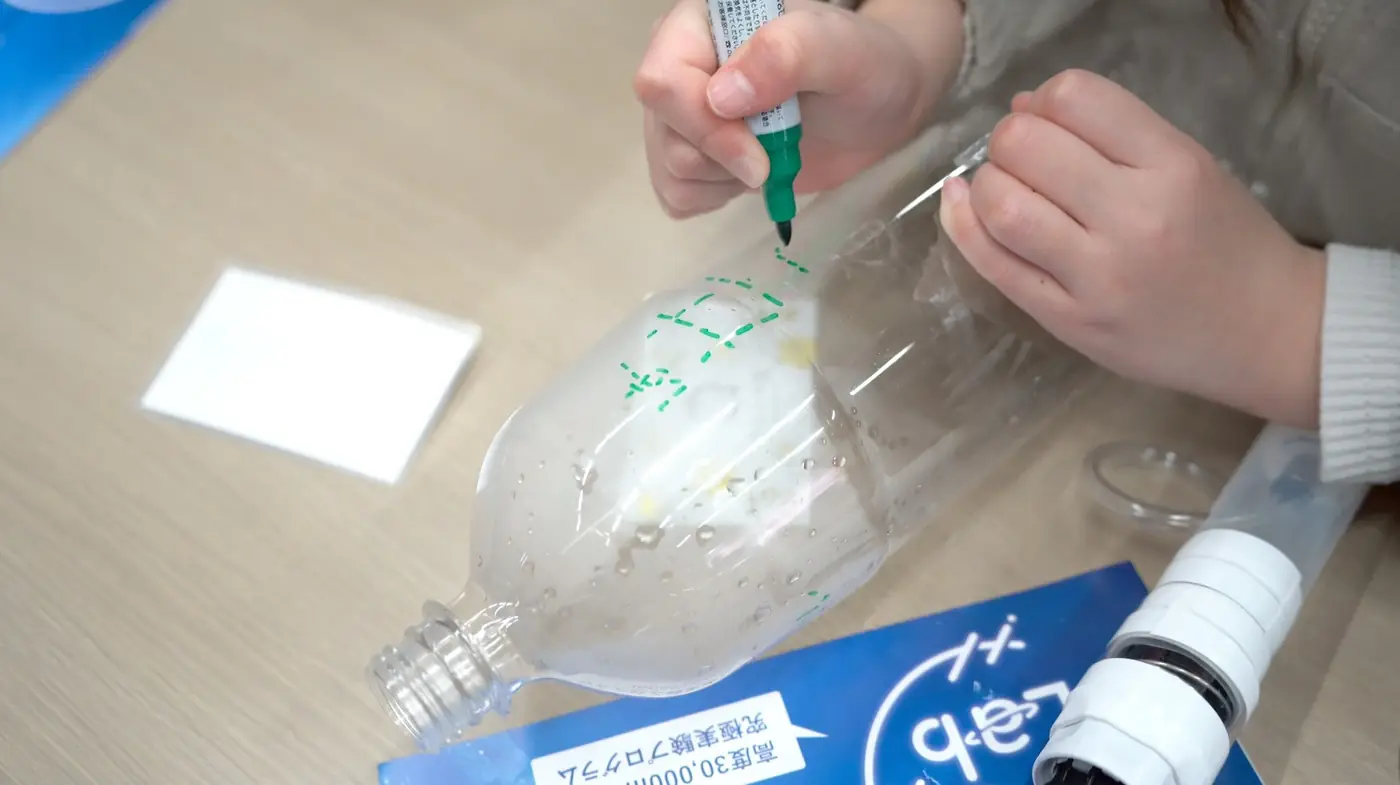
Held the first Sora Lab program in Yabu City, Hyogo.
Signed a partnership agreement with Yabu City, Hyogo.
The Asahi Shimbun