
Stratospheric Launch Service
The stratosphere is the doorway to space. We carry samples and cameras to about 30 km by sounding balloon for experiments and filming in near-space conditions.
A near-space lab within reach.
A dedicated module hangs beneath a helium-filled latex balloon and rises into the stratosphere, where there is almost no atmosphere and the temperature drops below −60°C. After the flight, we recover the module from the sea.
Launch
We choose the launch site on the day based on weather and upper winds.
Experiment and film
Payloads are exposed to near-space conditions while video and data are recorded.
Recovery
We track the module by GPS and recover it after splashdown.
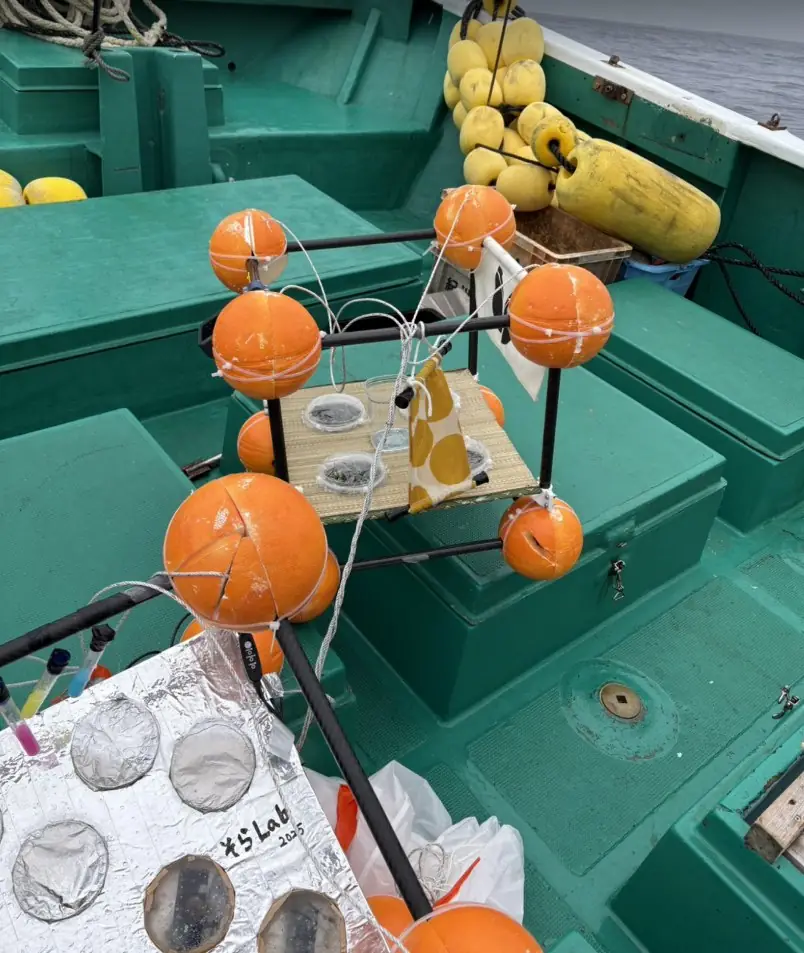
Dedicated module
A special film keeps the module waterproof while letting outside air through. It carries up to ten sample dishes, and the buoyant frame keeps it above the surface after splashdown.
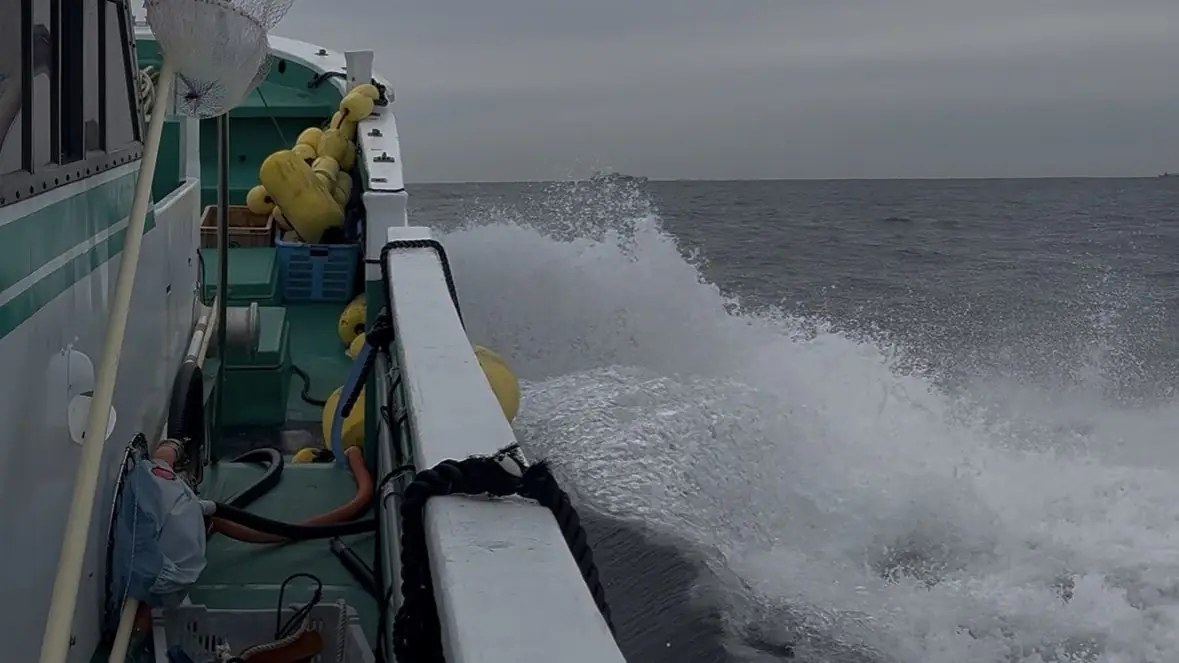
Recovery at sea
We track the module by GPS and recover it by boat after splashdown. Flights are planned with detailed simulations, and our recovery rate is over 90%.
Uses
Research and experiments
Expose samples in petri dishes to the cold, low pressure and strong UV of the stratosphere.
Filming and promotion
Film products or characters against black space and the curve of the Earth.
TV and media
We join TV and event projects from the planning stage.
Education
Send students’ experiments to the stratosphere as a school or community project.
Specifications
- Altitude
- About 30 km (stratosphere)
- Environment
- Below −60°C, near-vacuum low pressure
- Payload
- Sample dishes, products, cameras and moreAsk us about size and weight.
- Data
- Video from multiple cameras, flight log (position, speed, altitude), and temperature, humidity and pressure inside the module
- Options
- UV and cosmic-ray measurement, live monitoring over LoRa, custom modules
- Tracking and recovery
- GPS tracking, recovery at sea (recovery rate over 90%)The frame keeps the module afloat.
- Cost
- Quoted per projectDepends on payload, filming and timing.
How it works
Contact us
Tell us what you want to fly, when, and why.
Meeting and quote
We discuss the details and send a quote and schedule.
Flight plan
Using flight simulations, we set an approximate date and site.
Permits
We apply to airports, the Coast Guard and others, about a month ahead.
Launch
We confirm the date and site two days before. You are welcome to attend.
Recovery and delivery
Samples are returned by hand or mail; video and logs are sent online.
FAQ
How much does it cost?
How far ahead should we contact you?
How do you handle regulations and safety?
What happens in bad weather?
Will the module always be recovered?
Is there anything you cannot fly?
Can we request a TV or event project?
Can we attend the launch?
Plan a stratospheric launch
Your plan doesn’t need to be final. Tell us what you want to fly, when, and why.